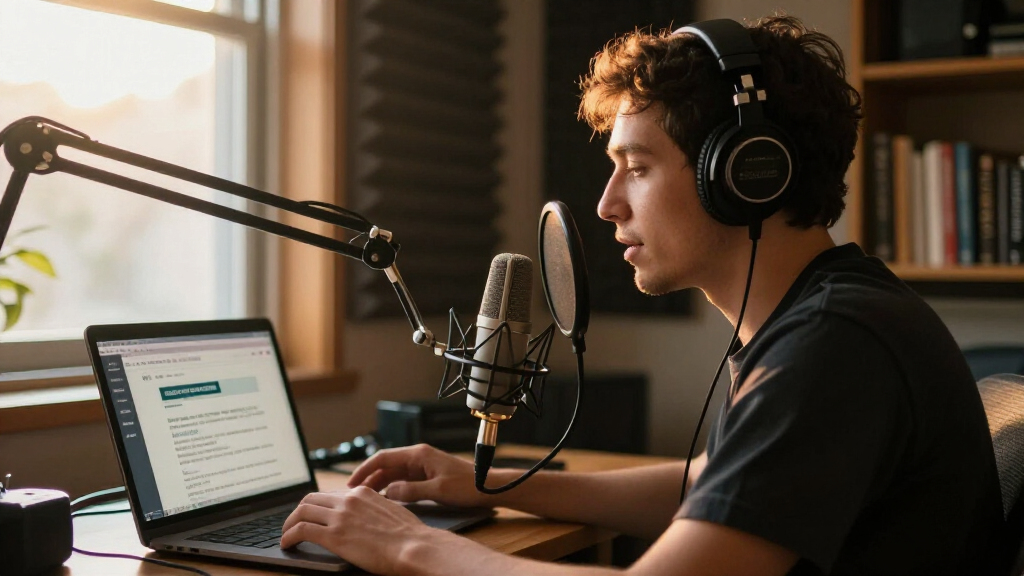

📊 Full opportunity report: Licensing and approvals hub for voice actors’ AI clones on IdeaNavigator AI — validation score, market gap, and execution plan.

Get smart everyday buys delivered free with Prime
- Fast, free delivery on millions of items
- Prime Video, Amazon Music and more included
- Member-only deals all year
TL;DR
A licensing and approvals platform for voice actors’ AI clones is in testing, aiming to streamline rights management and payments. This addresses current licensing gaps amid growing AI voice use.
A new licensing and approvals platform for voice actors’ AI clones is being tested, providing a structured workflow for managing usage rights, project approval, and payments. This development aims to address longstanding issues in licensing AI-generated voices, which currently rely on ad hoc agreements.
The platform is designed specifically for professional voice actors who create AI clones of their voices. It allows them to set detailed licensing terms, including permitted use cases, banned categories, and project-specific rates. Buyers can submit project requests and approve or reject them with a single click, with all transactions logged for transparency and enforcement.
According to sources involved in the testing, the goal is to recruit ten voice actors with existing AI clones and route five real project requests through the system. The success measure will be whether these voice actors choose to route paid licensing deals through the platform, which would generate revenue via a percentage commission.
This initiative comes amid increasing commercial viability of AI voice cloning and heightened legal and union attention to consent, scope, and compensation issues surrounding synthetic voices. The platform aims to provide a scalable, auditable solution for rights management in this emerging market.
Implications for Voice Actor Rights and Industry Standards
This licensing hub could significantly improve how voice actors control the use of their AI clones, ensuring clear terms and enforceable payments. It addresses a critical gap in current practices, where licensing often occurs through informal channels, risking misuse or undercompensation. If successful, it could set a new industry standard for rights management in AI voice technology, fostering greater trust and transparency.
Products Worth Considering

Canon imagePROGRAF PRO-1100 17-Inch Professional Wireless Inkjet Photo Printer

Samsung 27-inch Odyssey G5 QHD Gaming Monitor (G51F)

Dell UltraSharp 27 Thunderbolt Hub Monitor (U2726DER), QHD
As an affiliate, we earn on qualifying purchases.
Growing Need for Structured AI Voice Licensing
As AI voice cloning becomes more commercially viable, voice actors face challenges in managing rights, scope, and payments for their synthetic voices. Currently, licensing is often handled through informal agreements, with limited oversight or enforceability. Recent union and legal discussions highlight the importance of formalized, transparent licensing processes to protect performers’ rights and ensure fair compensation.
This initiative by an unnamed development team aims to create a practical solution to these issues, starting with a narrow pilot focused on individual voice actors and their existing AI clones. The approach reflects broader industry concerns about consent, scope, and fair remuneration in the AI voice ecosystem.
“This platform is designed to give voice actors a simple, auditable way to license their AI clones, setting clear terms and tracking all transactions.”
— an anonymous source involved in the project
Unclear Aspects of Platform Adoption and Scope
It is not yet clear how many voice actors will adopt the platform beyond the initial test phase, or how broadly it will be able to scale across the industry. Details about the platform’s long-term commercialization, user interface, and integration with existing licensing channels remain under development.
Next Steps in Testing and Industry Adoption
The current focus is on completing the pilot with ten voice actors and five project requests, evaluating whether they choose to route paid deals through the system. Success could lead to broader testing, industry partnerships, and potential commercialization. Ongoing feedback from participants will shape future iterations and adoption strategies.
Key Questions
How will the licensing platform improve rights management for voice actors?
The platform allows voice actors to specify detailed usage terms, approve projects easily, and track payments, creating a clear and enforceable licensing process that replaces informal agreements.
Is this platform available to all voice actors now?
No, it is currently in an initial testing phase with a limited group of voice actors and project requests. Broader availability will depend on pilot outcomes.
Will this platform handle licensing for all types of AI voice uses?
The initial focus is on a narrow set of use cases, but the goal is to expand scope based on feedback and industry needs, covering more use cases over time.
How does the platform generate revenue?
The platform plans to take a percentage commission on each approved licensing transaction, incentivizing quality and compliance.
What are the main challenges for the platform’s success?
Key challenges include encouraging industry adoption, ensuring ease of use, and establishing legal enforceability across jurisdictions.
Source: IdeaNavigator AI