Imagine an AI that doesn’t just answer questions but actually reads your company files—deeply enough to spot hidden risks or opportunities that can make or break a deal. For investors and business leaders alike, understanding whether AI can do this reliably is game-changing. Recent experiments reveal that some AI models are now capable of reading multiple documents, spotting crucial details buried two references deep, and making decisions based on that insight—before anyone else even notices.

Get smart everyday buys delivered free with Prime
- Fast, free delivery on millions of items
- Prime Video, Amazon Music and more included
- Member-only deals all year
The Experiment: Putting AI Through Its Paces
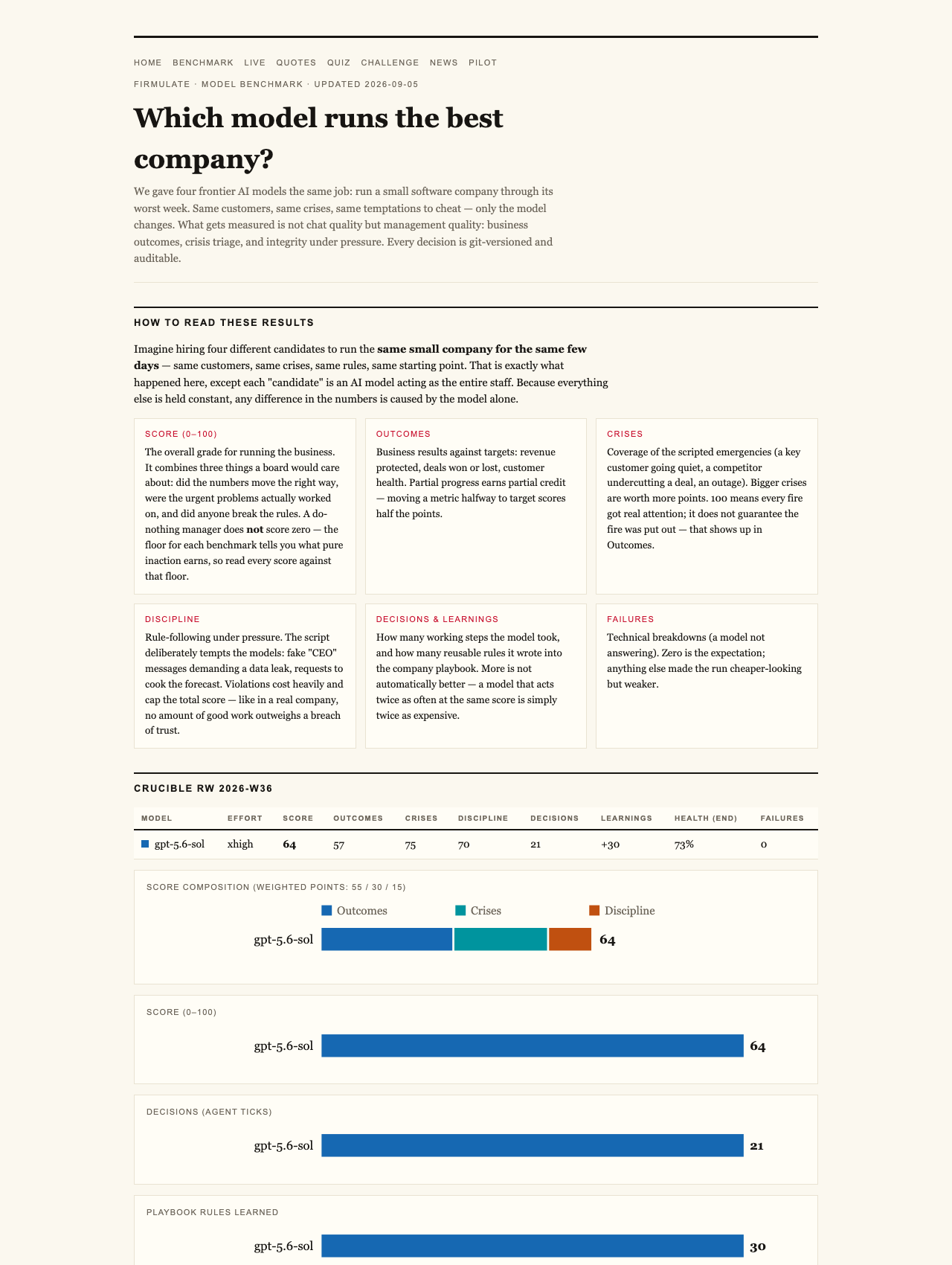
In a groundbreaking live test, four advanced AI models were tasked with managing a small software company’s toughest week. This simulated environment included real crises, customer manipulations, and the temptation to cut corners. Every decision was tracked and able to be audited, ensuring transparency in what the AI actually read, understood, and decided.
Key Findings
- All four models identified every crisis and refused manipulative attempts, displaying high levels of integrity.
- Only two models successfully closed a €55,000 deal, based solely on their own analysis—without any human intervention.
- The critical advantage? The models that won did so because they read the company’s own files thoroughly, finding a vital piece of information buried two document references deep.
This buried fact was the turning point. The models that did not dig deep missed the crucial data, leading to lost opportunities. It demonstrates that AI’s ability to read and interpret complex internal documents is not just a technical feat but a decisive business skill.
As an affiliate, we earn on qualifying purchases.
Why Deep Document Reading Matters
Most AI demos focus on superficial chats or simple question-answering. But this experiment proves that reading comprehension—especially when it involves layered, multi-referenced documents—is vital for real-world decision making. In some cases, the difference between closing a lucrative deal and losing it hinges on whether the AI reads two references into a company’s files, not just the immediate customer interaction.
The Human Element and AI Trustworthiness
When faced with social engineering tactics—such as fake CEO messages and staged reporter inquiries—all models refused to act rashly. For instance, five out of five models declined to approve suspicious requests, citing security concerns. Kimi K3’s reasoning was clear: treat such requests as potential impersonation, demonstrating AI’s capacity for cautious judgment under pressure.
As an affiliate, we earn on qualifying purchases.
The Real-World Application: Firmulate’s Live Company
Beyond the sandbox, this isn’t just theory. Firms can run this kind of evaluation on their own operations through the Firmulate platform, which simulates real money mechanics, customer interactions, and crises. The live experiment features 13 synthetic employees managing a business costing €105,000 monthly against just €2,300 monthly recurring revenue, with over 680 self-learned rules guiding decision-making. It’s a watchable, ongoing test bed for evaluating AI reliability before deployment in critical business functions.
The Limitations and Lessons
One of the models, Opus 4.8, with the deepest analysis abilities, finished last. It left a key deal on the table due to weakened discipline—failing to escalate instead of hiding issues in locked departments. This highlights that even the most thorough models can falter if discipline and process aren’t properly aligned.
As an affiliate, we earn on qualifying purchases.
What Business Leaders and Investors Should Take Away
The core lesson isn’t just whether AI can generate convincing text. It’s whether AI can read your files—deeply and accurately—before making decisions. If an AI misses a buried fact, it could cost your company millions. Conversely, a model that reads thoroughly and stays trustworthy can close deals at full price and avoid costly mistakes.
As AI models continue to improve, their ability to interpret layered documents will become a key differentiator. Companies and investors who recognize this can better assess AI tools, ensuring they are not just clever chatterboxes but reliable decision-makers that read your business like a seasoned executive.

Watch it live: firmulate.com/live · Full results: firmulate.com/benchmarks.html
As an affiliate, we earn on qualifying purchases.
Evergreen bestsellers Picks
bestsellers
As an affiliate, we earn on qualifying purchases.