
TL;DR
Listen free for 30 days with Audible
Thousands of audiobooks and originals — cancel anytime.
Start your free trialAs an affiliate, we earn on qualifying purchases.
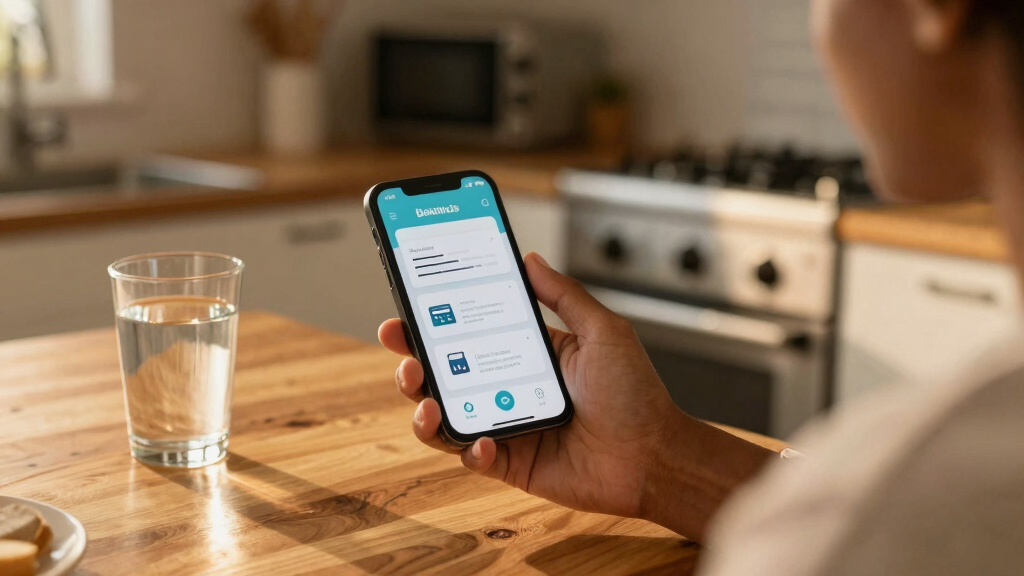
Checking accounts are for daily spending, offering unlimited transactions but little to no interest. Savings accounts focus on storing money and earning interest, with some transaction limits. Understanding these core differences keeps your money working smarter.
When it comes to managing your money, the difference between a checking account and a savings account isn’t just about labels. It’s about how you want to use your money—everyday spending, or setting money aside for the future. But many people still mix up the two, or assume they’re interchangeable.
In this guide, you’ll learn exactly what makes these accounts different, why those differences matter, and how to pick the right one for your needs. Think of it as a practical map to avoid banking confusion and make smarter choices with your hard-earned cash.
Checking Account vs Savings Account: The Differences That Actually Matter
TL;DR: Checking accounts are built for daily spending, frequent access, and bill pay. Savings accounts are built for storing money, earning interest, and keeping future goals separate from everyday cash.
Give every dollar the right job.
Checking keeps money moving. Savings keeps money growing. The smart setup usually uses both, with clear boundaries.
Your money has two job descriptions.
Checking and savings accounts are not interchangeable labels. They solve different cash-flow problems: one is for access, the other is for distance and growth.
Checking is your digital wallet.
Use it for groceries, rent, subscriptions, debit card purchases, ATM cash, direct deposit, and everyday bill pay.
Savings is your holding zone.
Use it for emergency funds, planned purchases, tax reserves, travel goals, and cash you want to keep away from impulse spending.
The best answer is usually both.
Keep enough in checking for monthly expenses, then automate excess cash into a high-yield savings account.
What changes when you pick one account over the other?
The account type affects access, interest, fees, and behavior. Small terms can quietly compound into better returns or annoying costs.
| Feature | Checking account | Savings account | Why it matters |
|---|---|---|---|
| Daily transactions | ✓Built for frequent use | ~Possible, but not ideal | Checking handles active cash flow without friction. |
| Interest growth | ✗Little to none | ✓Usually higher APY | Savings helps idle cash earn while staying accessible. |
| Debit card and checks | ✓Commonly included | ✗Usually unavailable | Payment tools belong with spending money. |
| Transfer limits | ✓Generally unlimited | ~Bank limits may remain | Post-2020 rules are looser, but banks can still set fees or caps. |
| Fees and minimums | ~Waivers often available | ~Minimums may affect APY | Review maintenance fees, direct deposit rules, and balance thresholds. |
| Best use | ✓Monthly spending | ✓Emergency funds | Separate accounts make budgeting and saving easier to sustain. |
Pick the account by asking what the money needs to do next.
Transaction access, discipline, and interest rates matter more than the account name. Follow the job of the dollar.
Spend this month?
Keep it in checking so bills, cards, and ATM access stay smooth.
Save for later?
Move it to savings to separate it from everyday spending decisions.
Need growth?
Compare APYs, especially at online banks with high-yield savings options.
Avoid fees?
Check monthly fees, minimum balances, direct deposit rules, and transfer policies.
Where savings wins is growth. Where checking wins is access.
Checking accounts optimize convenience. Savings accounts optimize earning potential and spending discipline, especially when paired with digital banking tools.
Typical growth potential
A $5,000 balance at 3.5% APY earns about $175 in a year before any rate changes or compounding details.
Access versus discipline
Recent rule changes removed the federal six-transfer cap, but many banks still keep savings restrictions or excessive-transfer fees.
Online banks are blurring the edges, but the roles still matter.
Modern banking apps make moving money easier, but convenience should not erase the boundary between spending money and protected savings.
Savings can work harder online.
Digital banks often offer competitive savings rates with fewer branches, lower overhead, and easy transfers.
Monthly costs are easier to avoid.
No-fee checking and savings accounts are common, but minimums, overdrafts, and transfer policies still deserve attention.
FDIC coverage still anchors trust.
At insured banks, checking and savings deposits are protected up to applicable FDIC limits.
A simple operating system for your cash.
Use checking for money in motion and savings for money with a future assignment. Then automate the handoff.
- Fund checking Keep one month of regular expenses available.
- Automate savings Move money after each paycheck before it gets spent.
- Compare APYs Shop online banks when savings rates lag.
- Watch fees Switch if monthly charges outweigh the benefits.
- Set alerts Use balance and transfer alerts to avoid surprises.
Key Takeaways
- Checking accounts are for daily spending—unlimited transactions, little to no interest.
- Savings accounts are designed for storing money and earning interest—limit on transfers, but better growth potential.
- Recent banking changes give more flexibility to savings accounts, but their core role remains saving, not spending.
- Compare fees, minimums, and interest rates before opening an account—small differences add up.
- Use digital banking options to get the best rates and convenience for both accounts.
best checking account with no monthly fee
As an affiliate, we earn on qualifying purchases.
As an affiliate, we earn on qualifying purchases.
What’s the Main Purpose of Each Account? Your Money’s Job Description
A checking account is your go-to for daily expenses—paying bills, shopping, grabbing cash from ATMs. It’s designed for convenience and frequent use. Think of it like your wallet, but in digital form.
On the flip side, a savings account is your safe spot for stashing money you don’t need right now—emergency funds, big purchases down the line, or just extra cash earning interest. It’s more like a piggy bank with a little extra help from your bank in growing your savings.
For example, if you’re saving for a new car, a savings account helps your money grow while keeping it separate from your everyday spending cash. Meanwhile, your checking account keeps the money flowing for groceries or bills.
high interest savings account for beginners
As an affiliate, we earn on qualifying purchases.
As an affiliate, we earn on qualifying purchases.
Transaction Limits and Accessibility: Why It Matters
Checking accounts offer unlimited transactions—deposits, withdrawals, checks, debit card spends. You can swipe your card daily without worry.
Savings accounts, however, historically had a limit of six withdrawals per month due to federal rules. Though recent changes (post-2020) lifted this cap, many banks still impose restrictions or fees for excessive transfers. These limits matter because they influence how you can access your money—if you need quick liquidity for unexpected expenses, a savings account with transfer limits could slow you down, potentially leading to fees or penalties. Conversely, knowing that you can’t frequently drain your savings enforces discipline, encouraging you to think carefully before withdrawing, which can help you meet long-term goals. So, understanding these limits helps you plan your cash flow better and avoid surprises when you need funds quickly.
Imagine you’re trying to withdraw money for a quick trip—your checking account handles that effortlessly. But pulling cash from a savings account for a last-minute dinner might hit a limit, or trigger a fee if you go beyond it.
As an affiliate, we earn on qualifying purchases.
Interest Rates: Which Account Grows Your Money Faster?
Checking accounts usually offer little to no interest—sometimes just a tiny fraction. They’re mainly for convenience, not growth.
Savings accounts, on the other hand, are designed to earn interest. Online banks often offer higher APYs—sometimes over 4%—making your money work harder while sitting safely in your account.
For example, putting $5,000 in a savings account with a 3.5% APY earns about $175 in interest annually, without lifting a finger. That’s real money growing over time.
Why does this matter? Well, if you’re aiming to build wealth or simply keep pace with inflation, a higher interest rate means your money isn’t just sitting idle — it’s actively growing. Choosing an account with a better rate can make a significant difference over months and years, turning small savings into larger sums. But remember, higher rates often come with conditions, so weighing the tradeoffs is key.
ATM withdrawal card for savings account
As an affiliate, we earn on qualifying purchases.
As an affiliate, we earn on qualifying purchases.
Fees and Minimum Balances: What You Need to Watch For
Many checking accounts have monthly fees—say $10—that banks often waive if you keep a minimum balance or set up direct deposit. If not, those fees can chip away at your cash.
Savings accounts tend to have lower fees, but they might require a minimum balance—like $300—to avoid charges or to earn the advertised interest rate. Missing this minimum can result in fees or reduced earnings, which can hinder your savings growth. Therefore, it’s important to understand the fee structure and minimum balance requirements before opening an account. This knowledge helps you avoid unnecessary costs and ensures your savings work as hard as they can for you. Choosing an account with favorable terms can save you money and maximize your returns over time.
Security and Insurance: How Safe Is Your Money?
Both checking and savings accounts in U.S. banks are insured up to $250,000 per depositor per bank by the FDIC. That means even if the bank fails, your money is protected.
For example, if you have $10,000 in your checking account, you’re covered up to that limit. The same applies to your savings account.
This insurance makes these accounts a safe place for your cash, whether it’s for daily expenses or emergency savings.
Understanding this safety net is crucial because it reassures you that your money won’t disappear if something goes wrong with the bank. It allows you to focus on your financial goals without unnecessary worry about the safety of your funds. However, it’s also wise to diversify your savings across multiple banks if you have amounts exceeding insured limits, to ensure all your funds remain protected. Overall, FDIC insurance is a cornerstone of trust that underpins the safety of your banking experience.
The Latest: How Digital Banking Changes the Game
Digital banks now blur the lines between checking and savings. Many online-only accounts offer high interest rates on savings while providing seamless, fee-free checking options.
For example, some online banks now offer 4% APYs on savings, with no monthly fees and easy mobile access. This makes it easier than ever to grow your savings while managing daily spending in one place.
Plus, the federal removal of transaction limits on savings accounts means you can transfer or withdraw money more freely—ideal for flexible savings strategies.
These innovations mean you can maximize returns without sacrificing convenience. Digital banks often eliminate many traditional fees and minimums, making them attractive options for both saving and spending. As the landscape evolves, leveraging these digital tools can help you optimize your financial health, giving you more control and better rates than ever before.
Which One Should You Use? Practical Tips for Making the Right Choice
Deciding between a checking or savings account depends on your goals. Use your checking account for daily expenses—paying bills, shopping, ATM withdrawals.
Open a savings account for money you want to grow or keep safe—emergency fund, future goals, or big purchases.
Here’s a quick tip: keep your emergency fund in a high-yield savings account, and use your checking account for regular spending. That way, your savings grow while your spending stays flexible.
How to Optimize Both Accounts for Your Financial Health
- Deposit regularly into your savings account—automate transfers if possible.
- Keep your checking account funded enough to cover monthly expenses comfortably.
- Watch for fees—switch banks or accounts if fees outweigh benefits.
- Compare interest rates—shop around for higher APYs on savings accounts, especially online.
- Use digital tools—alerts and apps to track balances and transfers easily.
Frequently Asked Questions
Can I use my savings account like a checking account?
Generally, no. Savings accounts often have transaction limits—usually six withdrawals per month—and aren’t designed for frequent spending. They’re better for storing money and earning interest.Which account offers better interest rates?
Savings accounts typically pay higher interest rates than checking accounts. Online banks especially often offer APYs over 4%, making them a smart choice for growing your savings.Are there fees for these accounts?
Yes, but it depends. Checking accounts may have monthly fees, which can often be waived. Savings accounts might require minimum balances to avoid fees or earn interest. Always check the fine print.Can I have both accounts at the same bank?
Absolutely. Many people keep a checking account for everyday expenses and a savings account for future goals, often at the same bank for convenience.How do recent regulation changes affect savings accounts?
Post-2020, federal rules lifted the six-transaction limit on savings accounts, giving you more freedom to transfer or withdraw money when needed. It makes savings accounts more flexible without losing their core purpose.Conclusion
Choosing between a checking and a savings account isn’t complicated once you understand what each is built for. Think of your checking account as your daily driver—the one you use for everything now. Your savings account? That’s your slow-and-steady growth machine, quietly working in the background.
Keep both accounts aligned with your goals. Use your checking for spending, your savings for growing. The right mix makes your money work smarter—and that’s a habit worth forming.
NFL season / tailgating Picks
team gear
As an affiliate, we earn on qualifying purchases.