
TL;DR

Get smart everyday buys delivered free with Prime
- Fast, free delivery on millions of items
- Prime Video, Amazon Music and more included
- Member-only deals all year
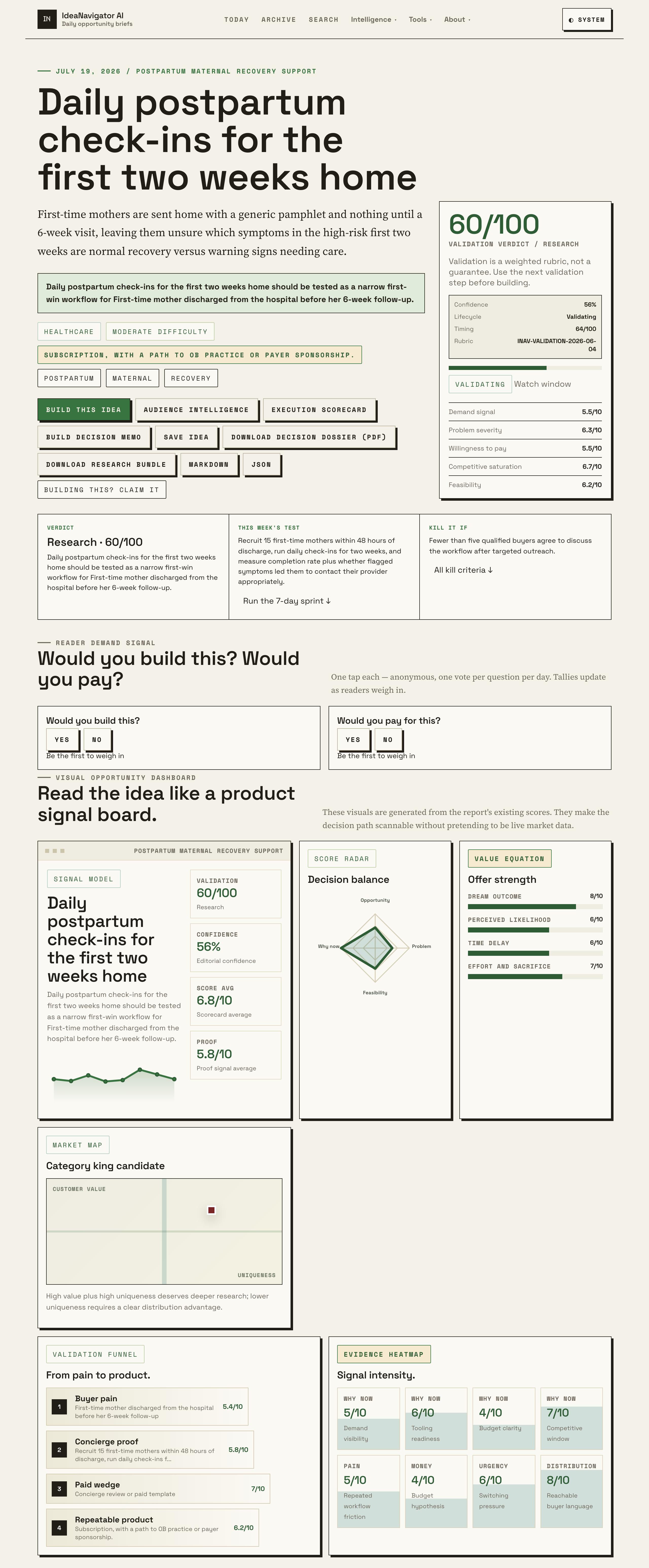
A new initiative proposes daily postpartum check-ins for first-time mothers discharged early, aiming to improve recovery and identify warning signs. This approach could fill a critical gap in postpartum care, with ongoing validation efforts underway.
Recent proposals suggest implementing daily postpartum check-ins for first-time mothers during the first two weeks after hospital discharge. This initiative aims to address the gap in postpartum care, which currently leaves many women without structured follow-up until their six-week appointment. The approach could improve early detection of complications and support maternal health during a high-risk recovery period.
Currently, first-time mothers are typically discharged with a generic pamphlet and have no scheduled contact until their six-week postpartum visit, despite the first two weeks being critical for recovery. The proposed program involves a structured, daily check-in system delivered via smartphones, which would gather recovery data, mental health status, and feeding information to generate personalized guidance.
According to an anonymous researcher involved in the initiative, the pilot will recruit 15 first-time mothers within 48 hours of discharge to participate in the two-week check-in process. The system will track symptom reports and prompt mothers to contact healthcare providers if warning signs are flagged. The goal is to validate whether this approach improves recovery outcomes and appropriate healthcare utilization.
The program’s developers see potential for subscription-based models and integration with obstetric practices or payer systems to scale this intervention if successful.
Potential Impact on Postpartum Maternal Care
This approach could significantly improve postpartum health outcomes by providing timely, personalized support during a vulnerable period. Early symptom detection may reduce complications, hospital readmissions, and maternal anxiety. Additionally, it addresses a known gap in postpartum care, which is often limited to a single visit six weeks after delivery. If validated, this model could influence standard postpartum follow-up practices and improve overall maternal health.
postpartum recovery monitoring app
As an affiliate, we earn on qualifying purchases.
As an affiliate, we earn on qualifying purchases.
Addressing the Postpartum Care Gap
The first two weeks after childbirth are considered high-risk for complications, yet current postpartum care routines often lack structured follow-up during this period. Many mothers receive only a pamphlet with general advice, leaving them uncertain about which symptoms warrant medical attention. Maternal health campaigns have highlighted this gap, prompting interest in digital solutions that can provide daily monitoring and support. The concept of daily check-ins aligns with broader efforts to leverage smartphone technology for personalized healthcare delivery, especially when in-person contact is limited.
Previous studies have shown that early detection of postpartum complications can improve outcomes, but systematic follow-up remains inconsistent across healthcare systems. The proposed check-in system aims to fill this void by offering a scalable, tailored approach to postpartum monitoring.
“This pilot aims to provide structured, daily contact that can surface warning signs early and guide mothers to appropriate care, potentially reducing complications.”
— an anonymous researcher
postpartum check-in digital health device
As an affiliate, we earn on qualifying purchases.
As an affiliate, we earn on qualifying purchases.
Uncertainties About Implementation and Effectiveness
It is not yet clear how well the pilot will perform at scale, including whether mothers will consistently engage with daily check-ins or if flagged symptoms will lead to appropriate care. The outcome of the validation study, including impact on recovery and healthcare utilization, remains to be seen. Additionally, questions about funding, integration into existing healthcare workflows, and long-term sustainability are still under discussion.
As an affiliate, we earn on qualifying purchases.
Next Steps in Validating Daily Postpartum Check-ins
The pilot study will recruit 15 first-time mothers within the next two months, with daily check-ins running for two weeks. Researchers will analyze completion rates, symptom reports, and subsequent healthcare contacts to assess feasibility and effectiveness. If results are promising, plans for larger trials and potential scaling will follow. Stakeholders, including healthcare providers and payers, are watching this development closely as a potential new standard for postpartum care.
As an affiliate, we earn on qualifying purchases.
Key Questions
How will the daily check-ins be delivered?
The check-ins are planned to be delivered via smartphones through an app or messaging system, providing tailored questions and recovery tips based on individual data.
What symptoms will the system monitor?
The system will focus on common postpartum issues such as pain, bleeding, signs of infection, mental health symptoms, and feeding difficulties.
Will this replace in-person postpartum visits?
No, the check-ins are intended to supplement existing care, especially during the critical first two weeks, and prompt timely contact with healthcare providers when needed.
Who will fund or sponsor this program?
Potential funding sources include subscription fees, obstetric practices, or payer sponsorship, depending on the pilot outcomes and scalability plans.
When will this approach be widely available?
It is currently in the pilot testing phase; broader availability will depend on validation results and subsequent implementation efforts, likely within the next year or two.
Source: IdeaNavigator AI
Halloween Picks
halloween
As an affiliate, we earn on qualifying purchases.