
TL;DR

Get smart everyday buys delivered free with Prime
- Fast, free delivery on millions of items
- Prime Video, Amazon Music and more included
- Member-only deals all year
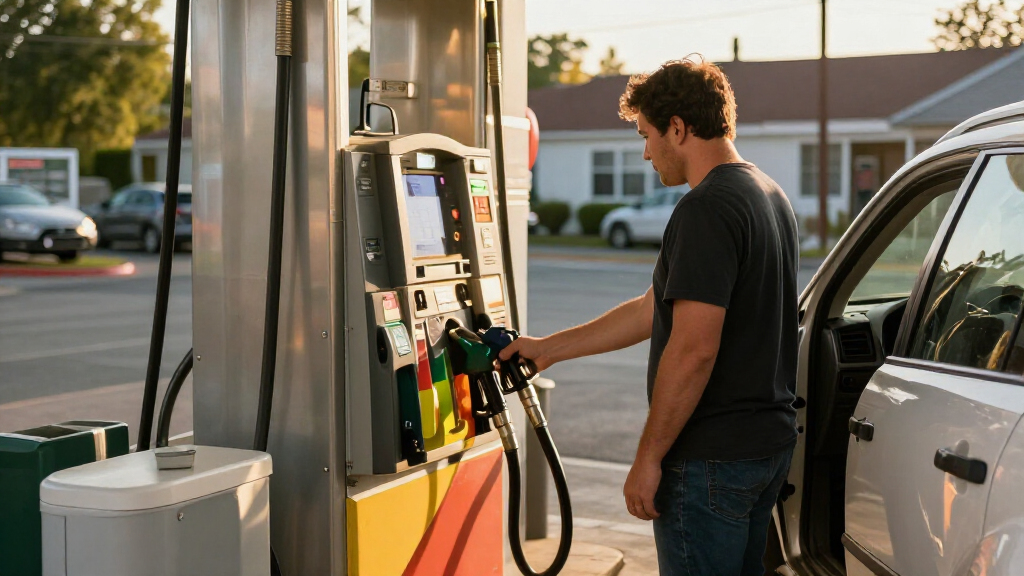
Spain’s Economy Minister Carlos Cuerpo said almost all petrol stations had passed the government’s fuel tax reductions on to pump prices. He cited CNMC monitoring and said 82% of stations had applied the full cut the day after the decree was approved; the decree’s provisions were being debated and voted on by Congress’s Permanent Deputation on Friday.
Spain’s Economy Minister and First Deputy Prime Minister Carlos Cuerpo said Friday that almost all petrol stations had passed the government’s fuel tax cuts on to pump prices, as lawmakers debated whether to approve the energy-aid decree. Cuerpo cited monitoring by the National Commission on Markets and Competition (CNMC), saying 82% of stations had applied the full reduction the day after the Council of Ministers approved the measure.
The decree reduces the Hydrocarbons Tax by 20 cents per litre for petrol and diesel in October, 13 cents in November and 6 cents in December. It also includes an automatic safeguard clause if oil prices remain high. The measures are part of the government’s response to the crisis in the Middle East.
Speaking during the debate in Congress’s Permanent Deputation, Cuerpo said CNMC checks found that the tax reduction had been passed through to fuel prices. He described the latest measure as reaching consumers in full at almost all stations “within just a few days.” His specific figure was that 82% of petrol stations had already applied the full cut at the pump one day after the decree received cabinet approval.
Cuerpo also described the reductions as direct savings for consumers, saying they represented almost 60% of the cost of petrol and 40% in the case of diesel. Those percentages were his characterization of the savings; the source report does not specify the calculation method or the price and tax components used to produce them.
How the Cut Reaches Drivers
The price at the pump is where drivers experience the measure. If stations reduce prices by the amount of the tax cut, consumers receive the intended benefit directly when they buy fuel. Cuerpo’s account of CNMC monitoring is relevant because it addresses whether the tax relief appeared in retail prices rather than remaining with sellers.
The reductions also change over time: the tax cut is largest in October, smaller in November and smaller again in December. Drivers’ savings will therefore depend on when they buy fuel, how the tax change is reflected in the displayed price and the underlying movement in fuel costs. The safeguard clause may affect the measure if oil prices remain high, though the source report does not give its precise operation.
The reported pass-through does not establish that every driver will see the same final price reduction at every station. Pump prices can vary, and the source gives no station-by-station price data or details of how the CNMC measured the share of stations applying the cut. The claim is a broad measure of compliance, not a promise of identical prices across Spain.
As an affiliate, we earn on qualifying purchases.
The Decree’s Monthly Reductions
The government approved the energy-aid decree through the Council of Ministers, and its provisions were before Congress’s Permanent Deputation for debate and a vote on Friday, October 16. The measure was framed as a response to the Middle East crisis and includes a reduction in the Hydrocarbons Tax on both petrol and diesel.
The planned reduction steps down across the final three months of the year: 20 cents per litre in October, 13 cents in November and 6 cents in December. The decree also provides for an automatic safeguard if oil prices remain high. The source report does not state the trigger level or give a detailed account of how the safeguard would change the reductions.
Cuerpo’s statement links the policy’s tax provisions to evidence on retail prices. He said the CNMC had verified pass-through, and pointed to the 82% figure for the day after cabinet approval. The report does not provide the regulator’s underlying dataset, its definition of a full pass-through or a later percentage, so the figure should be read as the specific result Cuerpo cited rather than a complete picture of prices over the measure’s duration.
“Almost all”
— Carlos Cuerpo, Spain’s First Deputy Prime Minister and Economy Minister
As an affiliate, we earn on qualifying purchases.
Limits of the Pass-Through Figures
The source report does not include the CNMC’s underlying data, the number of stations surveyed, or the method used to decide whether a station had passed on the full tax cut. It also does not report what share had done so beyond the day-after figure, or whether the regulator found differences by region or fuel type.
The decree was being debated and voted on by the Permanent Deputation on Friday. The source material does not state the vote’s result, so the final legislative status at that point cannot be confirmed from the report alone. Nor does it specify the oil-price threshold or practical effect of the automatic safeguard clause, or explain the calculation behind Cuerpo’s savings percentages.
As an affiliate, we earn on qualifying purchases.
Congressional Vote and Price Monitoring
The immediate next step was the Permanent Deputation’s debate and vote on the energy-aid decree. The source report says that process was taking place on Friday but does not give the outcome. The decree sets out tax reductions for October, November and December, subject to its terms and the safeguard clause.
Further CNMC monitoring or published price data could clarify whether the reported pass-through continued across stations and over the full period. Until more detail is available, the confirmed account is limited to Cuerpo’s statement and the figures he attributed to regulator checks, including the 82% result on the day after approval.
As an affiliate, we earn on qualifying purchases.
Key Questions
How much is the fuel tax cut?
The decree sets a reduction of 20 cents per litre for petrol and diesel in October, 13 cents in November and 6 cents in December.
What did Cuerpo say about petrol stations?
He said almost all stations had passed the cut on to consumers. Citing CNMC monitoring, he said 82% had applied the full reduction the day after the Council of Ministers approved the decree.
Is the decree already approved by Congress?
The report says the Permanent Deputation was debating and voting on the decree on Friday, October 16, 2026. It does not state the vote’s outcome.
How much will drivers save?
Cuerpo said the reductions represented almost 60% of the cost of petrol and 40% for diesel. The report does not explain how those percentages were calculated, and actual pump prices may vary by station and over time.
What happens if oil prices stay high?
The decree includes an automatic safeguard clause for a situation in which oil prices remain high. The source report does not specify the trigger or how the clause would affect the tax reductions.
Source: rss
Halloween Picks
halloween
As an affiliate, we earn on qualifying purchases.