
📊 Full opportunity report: When Does Cheap Memory Come Back? The 2027–2029 Question on ThorstenMeyerAI.com — validation score, market gap, and execution plan.
Listen free for 30 days with Audible
Thousands of audiobooks and originals — cancel anytime.
Start your free trialAs an affiliate, we earn on qualifying purchases.
TL;DR
Memory shortages are expected to persist until at least 2028–2029, with prices remaining elevated. New capacity is limited by physical and industry constraints, making relief unlikely before then.
Memory prices are unlikely to return to pre-crisis levels before 2028–2029, according to industry forecasts. The ongoing capacity constraints, physical limitations, and sustained high demand, especially from AI applications, suggest a prolonged period of elevated prices. This development impacts technology companies, data centers, and consumers waiting for more affordable memory options.
Industry analysts, including IDC and Counterpoint, agree that memory supply will not stabilize until late 2027 or beyond. The first wave of new capacity, including Micron’s Idaho fab and SK Hynix’s Yongin plant, is expected to begin production around 2027, but full relief may not materialize until 2028 or later. The primary bottleneck is the time-consuming process of building and ramping new fabs, which can take several years, with the largest planned capacity additions, such as Micron’s Clay megafab, delayed until 2030.
Manufacturers like Samsung and SK Hynix warn that shortages could persist through 2027 and beyond, with industry consensus pointing to late 2028 as the earliest realistic point for a significant easing. The physical constraints of cleanroom space and wafer fabrication capacity are fundamental limits, and even with increased investment, relief will be gradual. Additionally, the industry’s focus on high-margin products like HBM further limits the availability of commodity DRAM, keeping prices high.
When does cheap memory come back?
The question everyone’s really asking: do I just wait this out? The honest answer is a timeline, three scenarios, and news you may not want — the cheap memory you remember isn’t coming back. A less-expensive market probably is — later, and at a higher floor.
Capacity ramps ’27–’28; price climbs stop, then ease. Settles ~30–50% above pre-crisis — the new baseline, not a return to 2024.
AI keeps accelerating; OpenAI locked ~40% of DRAM through 2029; makers pause expansion to protect record margins; each HBM gen worsens the math.
AI demand moderates just as delayed ’27–’28 fabs all arrive → classic overshoot → prices crash. Not the bet — but never impossible in this industry.
The one relief valve that needs no fab is efficiency: if compression (Part 9) cuts how much memory each model needs, demand softens on the timescale of a software update, not a construction project. So the posture isn’t waiting — it’s the discipline this series has been about. Memory is now a scarce, valuable resource; treat it that way. Buy what you need, right-size, own what’s steady, rent what’s spiky, quantize either way. The people who do best won’t be the ones who guessed the bottom — they’ll be the ones who stopped needing so much. That’s the squeeze, end to end.
Implications for Technology and Market Stability
The expectation that memory prices will stay elevated until 2028–2029 means ongoing higher costs for data centers, AI infrastructure, and consumer electronics. This persistent scarcity could influence product pricing, supply chain planning, and technological innovation. The industry’s disciplined capacity expansion and physical constraints suggest that a quick price correction is unlikely, shaping market dynamics for years to come.
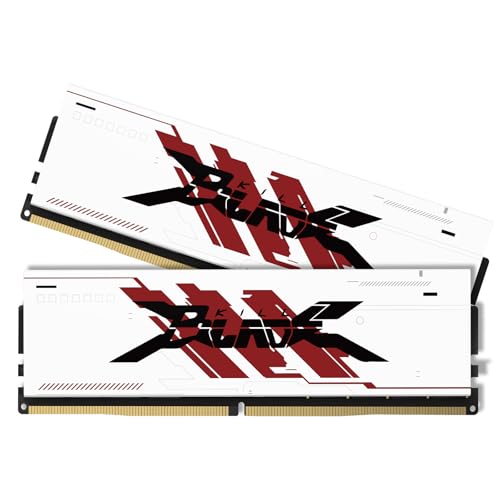
PUSKILL 32GB Kit (2x16GB) DDR4 RAM 3200MHz PC4-25600 Desktop Memory with Aluminum Heatsink, Non-ECC Unbuffered UDIMM 1.35V CL16 288-Pin, High Performance Gaming PC Upgrade for Intel & AMD
- High Capacity Memory: 32GB (2x16GB) for heavy tasks
- Fast 3200MHz Speed: Ultra-responsive multitasking and gaming
- Low Latency CL16: Tight timings for quick data access
As an affiliate, we earn on qualifying purchases.
As an affiliate, we earn on qualifying purchases.
Industry Capacity Expansion and Demand Trends
The memory industry has faced a prolonged supply crunch since 2026, driven by physical limitations in building new fabs and a surge in demand from AI and data-intensive applications. The first capacity additions are only beginning to come online around 2027, with the largest projects delayed until 2030. The industry’s structure—dominated by three firms controlling over 90% of the market—further influences supply and pricing policies. Historically, the industry has experienced boom-bust cycles, and current conditions suggest a shift toward a higher baseline of memory prices.
“The shortage could extend through 2027 and beyond, with meaningful easing not expected until late 2028.”
— Samsung and SK Hynix

V-Color Manta XSky DDR5 32GB (2x16GB) 6000MHz CL30 SK Hynix IC RGB Gaming Desktop Memory Module Black, for AMD EXPO TMXSAL1660830KWK
- Memory Series: Manta XSky RGB UDIMM (AMD EXPO)
- Capacity: 32GB (16GBx2)
- Overclocking Speed: DDR5 6000MHz
As an affiliate, we earn on qualifying purchases.
As an affiliate, we earn on qualifying purchases.
Uncertainties in Memory Market Recovery Timeline
While projections point to 2028–2029 for relief, several factors could extend shortages: faster-than-expected demand growth, delays in capacity expansion, or unforeseen supply chain disruptions. Conversely, demand reduction through efficiency improvements or technological advances could accelerate relief. The industry’s history of boom-bust cycles adds further unpredictability, making precise timing uncertain.
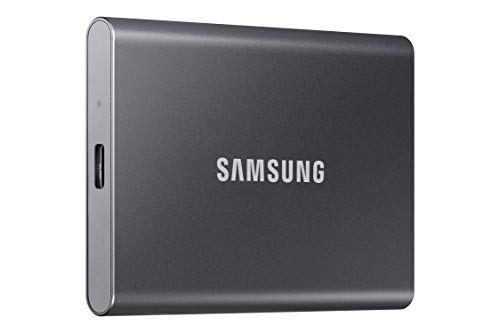
Samsung T7 Portable SSD 1TB Titan Gray, USB 3.2 Gen 2, Up to 1,050MB/s
- Designed for Creators: Fast speeds and durable for creators
- Quick Data Sharing: Up to 1,050MB/s read/write speeds
- High Capacity Storage: Up to 4TB for large files
As an affiliate, we earn on qualifying purchases.
As an affiliate, we earn on qualifying purchases.
Next Steps in Capacity Expansion and Demand Management
Manufacturers are ramping up capacity gradually, with new fabs expected to come online starting around 2027. The industry will monitor demand trends, especially from AI applications, and may adjust expansion plans accordingly. Technological innovations aimed at improving memory efficiency could also influence future supply-demand dynamics, potentially softening prices even before new capacity fully materializes.

Timetec 32GB KIT (2x16GB) DDR4 3200MHz (PC4-3200AA) PC4-25600 UDIMM Desktop RAM – 288-Pin 1.2V CL22 Non-ECC Unbuffered DIMM Memory Module Upgrade
- Capacity: 32GB (2x16GB) RAM kit
- Speed: Up to 3200MHz
- Type: DDR4 UDIMM, Non-ECC
As an affiliate, we earn on qualifying purchases.
As an affiliate, we earn on qualifying purchases.
Key Questions
Will memory prices ever return to pre-2024 levels?
Most industry forecasts suggest that prices will remain permanently higher, around 30–50% above pre-crisis levels, due to physical constraints and demand trends.
What factors are delaying the relief in memory shortages?
The main factors include the physical time required to build and ramp new fabs, bottlenecks in cleanroom capacity, and the industry’s focus on high-margin products like HBM, which limit supply of commodity DRAM.
Could a sudden drop in demand cause memory prices to crash?
While possible, historical patterns suggest that a supply glut would need to occur simultaneously with demand moderation, which is uncertain. The industry’s disciplined capacity expansion reduces this risk, but it remains a possibility.
How might technological advances impact the memory market?
Improvements in memory efficiency and compression techniques could reduce demand, potentially easing prices without new fab capacity. Such innovations are a key area of focus for future relief.
Source: ThorstenMeyerAI.com
Back to school Picks
back to school
As an affiliate, we earn on qualifying purchases.