📊 Full opportunity report: How AI Check-In Calls Fit Into Home-Based Senior Care on IdeaNavigator AI — validation score, market gap, and execution plan.

Get smart everyday buys delivered free with Prime
- Fast, free delivery on millions of items
- Prime Video, Amazon Music and more included
- Member-only deals all year
TL;DR
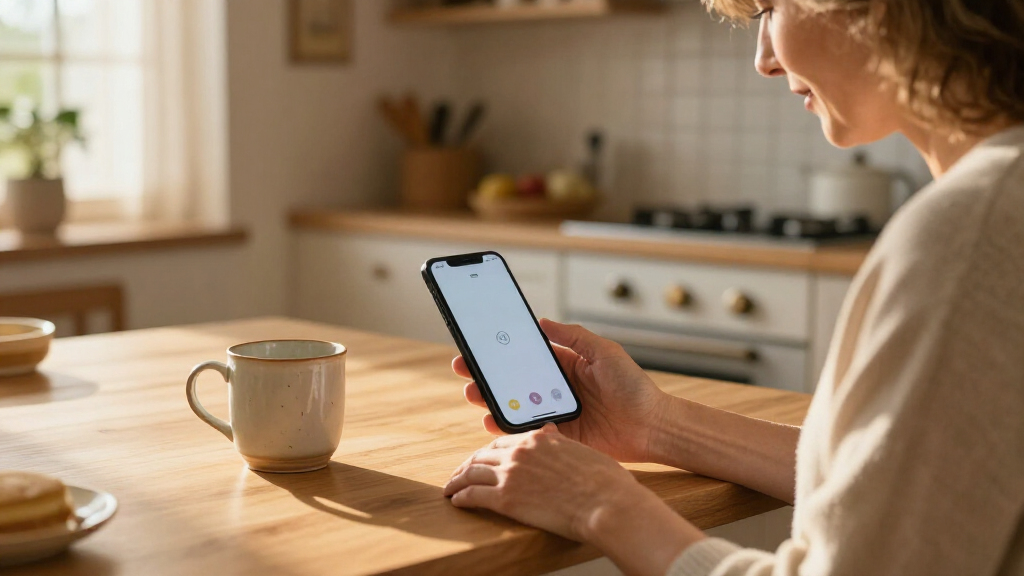
IdeaNavigator AI proposes testing scheduled AI phone calls as a limited wellness-check service for seniors who live alone, with simple text updates for family members. The suggested pilot would involve 15 senior-and-family pairs over three weeks; no pilot results, service launch or clinical validation are reported.
IdeaNavigator AI has proposed a three-week test of daily automated phone check-ins for seniors living alone, with text messages to an adult child when a call is missed or raises concern. The concept targets families who live in another city and cannot call every day, but it remains a proposed service workflow: no pilot findings, launch date or evidence of effectiveness are provided.
The suggested service would place a scheduled daily call to a senior’s landline or mobile phone. During a short conversation, the AI would ask a few wellness questions. The proposed message to the family is deliberately simple: an all-clear text after a routine check-in, or a flag if the call goes unanswered or the conversation appears concerning.
The intended customer is the adult child of an independent senior living in a different city. The proposal frames the problem as a gap in routine contact: a fall or difficult day may go unnoticed for hours or longer when family members cannot check in daily. It does not describe the service as emergency monitoring, medical care or a replacement for personal contact.
To test demand, IdeaNavigator AI suggests setting up calls for 15 senior-and-family pairs over three weeks. The proposed measures are whether seniors answer the calls and whether families consider the all-clear alerts valuable enough to pay for. A possible business model is a monthly subscription billed to the adult child for each parent, but pricing and willingness to pay have not been established.
Testing a Routine Family Check-In
The proposal focuses on a practical question for families supporting older adults at a distance: can a brief automated call provide a useful routine signal without implying that someone is continuously monitored? A consistent check-in could help relatives notice a missed call or a change that merits follow-up. But an all-clear message would only show that the call was answered and the interaction met the service’s criteria; it would not prove that a senior is safe throughout the day.
That distinction matters for reliance and response expectations. Families would need to know what triggers an alert, how quickly they are notified, and what action is expected if the senior does not answer. Seniors would also need to understand that the caller is an AI system and be comfortable speaking with it. The proposed pilot’s answer rate and family feedback could inform whether the format is usable, but a small, short test would not establish safety or health outcomes.
Products Worth Considering

Samsung 27-Inch Odyssey QD-OLED G8 4K 240Hz Gaming Monitor

FLEXISPOT 35-Inch Electric Standing Desk Converter with Keyboard Tray

Apple iPad Air 11-inch (M2), 512GB, Wi-Fi, Space Gray
As an affiliate, we earn on qualifying purchases.
From Voice AI to a Care Routine
The concept rests on the availability of voice AI that can hold a short, natural-sounding phone conversation, including on a landline or mobile. IdeaNavigator AI presents that capability as a reason daily automated check-ins may now be affordable at scale. The proposal does not provide cost estimates, technical specifications or evidence comparing AI calls with calls from family members or care workers.
Its scope is narrower than a broad senior-care platform: one scheduled call, a few wellness questions and a basic notification to a relative. The proposed test is aimed at aging-in-place wellness and family reassurance, not diagnosis or treatment. Keeping the initial workflow limited could make it easier to test whether seniors answer and whether families value the alerts before adding features or making wider claims.
Pilot Results and Safety Questions
No results are reported, and the proposed three-week test is not described as underway. It is unclear whether participating seniors would answer consistently, how the system would judge a concerning response, or how it would handle a missed call caused by a dead phone, a changed routine or a technical problem. The proposal also gives no details about consent, privacy, call recording, data storage or how relatives’ phone numbers would be used.
The service’s response procedures are also unspecified. An alert is not the same as a dispatched caregiver or emergency response, and the proposal does not say who would follow up, within what time, or what would happen if a senior reported an urgent problem. No pricing, service availability, clinical oversight or comparison with existing check-in arrangements is provided. Those details would be needed before families could judge the system’s limits and decide how much to rely on it.
A Small Test Before Wider Use
The next stated step is a three-week pilot with 15 pairs, measuring call answer rates and whether family members see value in the alerts. No dates, recruitment details or results have been announced in the proposal. If a test proceeds, its findings could show whether the basic call-and-text workflow is usable and whether families express willingness to pay; they would not, on their own, establish that the service prevents harm or reliably detects emergencies.
Any broader rollout would depend on details not yet supplied, including alert rules, privacy safeguards, escalation steps and subscription pricing. Until those are clarified and tested, the idea is best understood as a proposed routine wellness check—not a substitute for direct contact, professional care or emergency services.
Source: IdeaNavigator AI
Key Questions
Has the AI check-in service launched?
No launch is reported. The information describes a proposed workflow and a suggested pilot, not an available service.
How would the daily check-in work?
The proposed system would call a senior on a landline or mobile phone, ask a few wellness questions and text an adult child an all-clear or a flag if the call is missed or concerning.
What pilot is proposed?
IdeaNavigator AI suggests testing calls with 15 senior-and-family pairs for three weeks, tracking answer rates and whether families would pay for the alerts. No results or start date are reported.
Would an all-clear mean the senior is safe?
Not necessarily. The proposed all-clear is a check-in notification, not continuous monitoring or confirmation of a person’s condition throughout the day. The service’s criteria and follow-up procedures are not specified.
Source: IdeaNavigator AI