
📊 Full opportunity report: Build vs Buy a Prebuilt AI Workstation on ThorstenMeyerAI.com — validation score, market gap, and execution plan.

Get smart everyday buys delivered free — and shop member deals
- Fast, free delivery on millions of items
- Access to Prime Big Deal Days deals on October 6–7
- Prime Video, Amazon Music and more included
TL;DR
The traditional cost advantage of building your own AI workstation has diminished in 2026 due to component shortages and price spikes. Buyers now need to compare actual prices and consider thermal management, warranty, and time costs before deciding.
In 2026, the longstanding assumption that building an AI workstation is always cheaper than buying a prebuilt has changed. Due to component shortages and rising prices, many prebuilt systems now match or even beat DIY costs for similar configurations, prompting a re-evaluation of the build versus buy decision.
The rise in prices for key components such as GPUs, DDR5 RAM, and SSDs has significantly increased the cost of assembling a custom AI workstation. Meanwhile, large prebuilt manufacturers have secured bulk discounts before the price surges, enabling them to offer systems at competitive prices. As a result, the traditional cost savings of DIY have narrowed or disappeared, making price comparison essential.
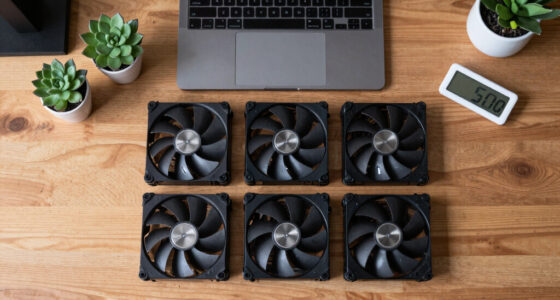
Beyond cost, thermal management and noise reduction are critical factors. Prebuilt vendors often validate thermals and offer water-cooling solutions, ensuring quieter operation and avoiding thermal throttling. These systems come with warranties and support, reducing risk for professional users. Conversely, building your own rig allows for tailored thermal tuning and upgrades but requires expertise and time.
Build vs buy
an AI workstation.
The real question behind this whole series: do you pull the five heat-and-noise levers yourself, or buy a prebuilt where the vendor pulled them for you? And in 2026, the old “building is cheaper” rule has broken. Match your situation in Part 3.
Why Cost and Thermal Management Shape the Decision in 2026
This shift impacts both hobbyists and professionals by changing the economic calculus of building versus buying. With component prices high and supply chain issues ongoing, many users may find prebuilt systems more cost-effective and less risky. Additionally, thermal management and noise control are now major considerations, influencing whether users prefer vendor-validated solutions or hands-on customization. The decision affects time investment, control, and long-term upgradeability, making it more complex than simply choosing the cheaper option.prebuilt AI workstation with water cooling
As an affiliate, we earn on qualifying purchases.
As an affiliate, we earn on qualifying purchases.
Component Shortages and Market Shifts in 2026
Over the past year, shortages of GPUs, DDR5 RAM, and SSDs have driven prices upward. Large OEMs and system integrators preemptively purchased components, allowing them to offer competitive prebuilt systems despite market volatility. Meanwhile, DIY builders face higher costs and longer lead times, which have eroded the traditional cost advantage. This environment has prompted a reevaluation of the build versus buy choice for high-performance AI workstations."In 2026, the cost gap between building and buying has nearly closed, making the decision more about thermal management, support, and time than just price."
— Thorsten Meyer, AI hardware expert
high performance GPU for AI workloads
As an affiliate, we earn on qualifying purchases.
As an affiliate, we earn on qualifying purchases.
Remaining Questions About Long-Term Upgradability and Market Trends
It is still unclear how ongoing supply chain disruptions and component prices will evolve throughout 2026. Additionally, the long-term upgradeability of prebuilt systems compared to custom builds remains a point of debate, especially as new hardware generations emerge and compatibility issues arise.professional thermal management PC
As an affiliate, we earn on qualifying purchases.
As an affiliate, we earn on qualifying purchases.
Future Developments in AI Workstation Market and Decision Factors
Expect continued price fluctuations and new thermal management innovations from vendors. Both DIY builders and prebuilt manufacturers may adapt their offerings, with potential new models emphasizing modularity and easier upgrades. Users should monitor market trends and vendor updates to inform their choices throughout 2026.As an affiliate, we earn on qualifying purchases.
Key Questions
Is building an AI workstation still cheaper in 2026?
Not necessarily. Due to component shortages and rising prices, prebuilt systems often match or beat DIY costs for similar configurations, making price comparison essential.
What are the main advantages of buying a prebuilt AI workstation?
Prebuilts offer validated thermals, warranties, support, and quick setup with preinstalled AI stacks, reducing time and risk for professional users.
Can I upgrade a prebuilt AI workstation later?
It depends on the system design. Some vendors provide modular systems that are easier to upgrade, but in general, DIY builds offer more flexibility for future expansion.
How important is thermal management in choosing between build and buy?
Thermal management is critical, especially for sustained AI workloads. Vendors often validate thermal performance, while DIY builders must tune and optimize cooling themselves.
What should I consider beyond price when choosing between build and buy?
Consider time investment, expertise, warranty, support, upgradeability, and thermal noise levels. These factors can outweigh cost differences depending on your needs.
Source: ThorstenMeyerAI.com
Fall Picks
fall essentials
As an affiliate, we earn on qualifying purchases.