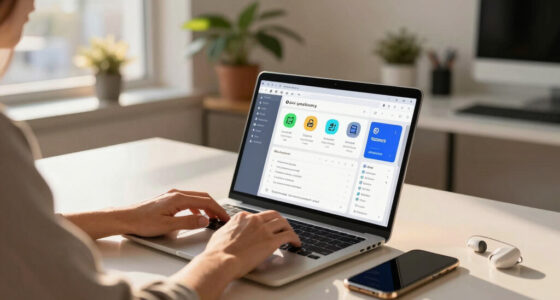
📊 Full opportunity report: How To Keep Up With Paperwork Using An Office Scanner on IdeaNavigator AI — validation score, market gap, and execution plan.
TL;DR
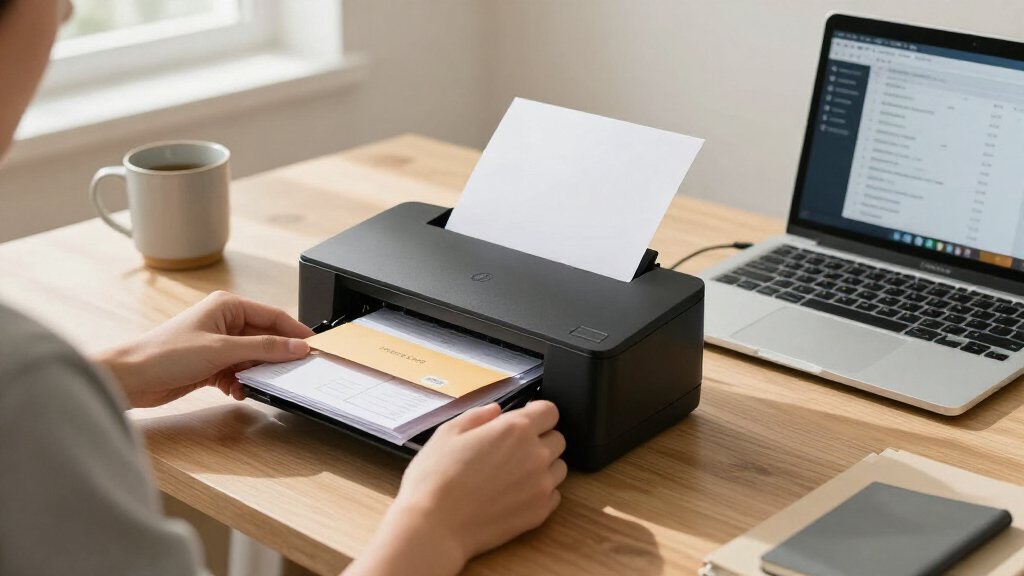
IdeaNavigator AI outlines a proposed document-scanning workflow for paper-heavy small offices: photograph documents, use OCR to classify and name them, then save searchable PDFs to a shared folder. The proposal calls for a one-week pilot at five offices to test classification accuracy and willingness to pay; no pilot results or product launch are reported.
IdeaNavigator AI has outlined a proposed scanner workflow for small nonprofits, clinics and law offices that would turn photographed paperwork into classified, searchable PDFs. The proposal recommends a one-week pilot at five offices, scanning 200 backlog documents at each site to measure classification accuracy and whether offices would pay for the service; no test results or product launch are reported.
According to IdeaNavigator AI’s proposal, the workflow is aimed at office managers dealing with paper records such as intake forms, invoices and other office documents. A user would photograph a stack of pages with a phone. The software would apply optical character recognition (OCR), suggest a document category and filename, and place searchable PDFs in a shared folder. The proposal gives an example naming format that combines a document type, date and vendor for an invoice.
IdeaNavigator AI frames the concept as a minimum viable product, not a finished service. Its suggested business model is a monthly subscription charged per seat, with a page-volume cap and extra charges for pages above that limit. The proposal gives no subscription prices or technical performance figures, and reports no evidence that small offices have agreed to buy the product.
To test the idea, IdeaNavigator AI recommends inviting five small offices to a one-week trial. Each would scan a real backlog of 200 documents. The proposed measures are the share of documents classified correctly and participants’ willingness to pay per seat. The proposal does not define how correctness would be scored or how many errors would be acceptable for sensitive records.
Testing Filing Accuracy in Small Offices
For offices with limited administrative capacity, a searchable digital filing system could make records easier to locate than paper stored in cabinets or image files left unsorted. As IdeaNavigator AI’s proposal acknowledges, the service’s value depends on more than whether the software can read text: documents must be named and categorized reliably, and staff need a practical way to find and check them later.
The suggested pilot puts those questions ahead of a broader rollout. Testing actual backlogs could reveal whether the tool handles varied forms and invoices, and whether correcting its mistakes takes less time than manual filing. That matters for small organizations that may lack dedicated IT staff, but IdeaNavigator AI has not reported evidence from the proposed trial about time savings, accuracy or customer demand.
Records at clinics and law offices can be sensitive. Any real deployment would need to address access controls, storage, retention and privacy, alongside the basic filing workflow. IdeaNavigator AI’s proposal does not specify how the product would handle those requirements, so automation should not be taken to mean that documents can be filed or shared without human review.
document scanner with OCR for small offices
As an affiliate, we earn on qualifying purchases.
As an affiliate, we earn on qualifying purchases.
From Paper Backlogs to Searchable PDFs
IdeaNavigator AI’s proposal responds to a specific operational problem: small organizations may accumulate filing cabinets of paper records, while generic scanner applications can leave users with batches of images that still need to be named and sorted. The proposed service combines scanning with OCR and automated suggestions for document type, filename and extracted details. Its intended distinction is organizing the scan as well as capturing it.
IdeaNavigator AI presents OCR tools, including on-device and API-based options, as making this kind of workflow more feasible for organizations without dedicated IT teams. That is the proposal’s rationale, not a reported benchmark for this particular product. The proposal identifies no software vendor, model, security design or comparative accuracy test.
The suggested commercial market is document digitization for small organizations. The per-seat subscription and page cap are possible pricing choices described by IdeaNavigator AI, not established terms. The proposed pilot is intended to test whether potential users find the workflow useful enough to pay for, as well as whether the classification works on real documents.
As an affiliate, we earn on qualifying purchases.
Accuracy, Privacy and Pricing Unsettled
No pilot has been reported, according to the available IdeaNavigator AI proposal, so the proposed classification accuracy, user response and willingness to pay remain unknown. The proposal does not identify participating offices, provide a product name, or state whether development or deployment has begun.
Other open questions include how the system would handle handwritten or poor-quality pages, duplicate records, multi-page documents and uncertain classifications. The proposal does not say whether users would approve suggested filenames before files enter a shared folder, where data would be stored, who could access it, or how long it would be retained. It also specifies no subscription price or page-overage rate.
office document classification scanner
As an affiliate, we earn on qualifying purchases.
As an affiliate, we earn on qualifying purchases.
Pilot Results Would Set the Test
IdeaNavigator AI proposes a one-week trial with five offices, each processing 200 documents from an existing backlog. To make the results useful, organizers would need to set a consistent definition of correct classification, track staff corrections and distinguish readable text extraction from correct filing.
The proposal also calls for measuring willingness to pay per seat. IdeaNavigator AI gives no trial schedule, recruitment plan or reporting date, and has announced no follow-up. Until a pilot is conducted and its findings are shared, the workflow remains an idea to validate rather than a demonstrated way to reduce filing work.
Source: IdeaNavigator AI proposal
mobile document scanning app for business
As an affiliate, we earn on qualifying purchases.
As an affiliate, we earn on qualifying purchases.
Key Questions
Has the scanner product launched?
No launch is reported. IdeaNavigator AI’s material describes a proposed minimum viable product and a pilot plan, not an available service.
How would the proposed workflow work?
In IdeaNavigator AI’s outline, a user would photograph documents with a phone. OCR would read the pages, suggest a document type and filename, and save searchable PDFs in a shared folder.
What would the pilot measure?
IdeaNavigator AI proposes a one-week trial in five offices, with each scanning 200 backlog documents. The trial would measure correct auto-classification and willingness to pay per seat; the proposal reports no results.
How would the service charge customers?
IdeaNavigator AI suggests a monthly per-seat subscription with a page-volume cap and charges for usage above the cap. The proposal specifies no prices or final commercial terms.
Are privacy and security details available?
No detailed safeguards are specified in IdeaNavigator AI’s proposal. It does not state where documents would be stored, who could access them, or how retention and review would work.
Source: IdeaNavigator AI