High-yield savings accounts offer a simple way to earn more on your savings without the risks of investing in stocks or bonds. The best accounts combine competitive interest rates with ease of access and low fees. The Ally Online Savings Account stands out as the overall best choice due to its high rate and no minimum deposit, while Marcus by Goldman Sachs offers a strong balance of rate and customer service. However, some accounts come with limitations like withdrawal restrictions or tiered rates that can affect your earnings. Continue reading for a detailed comparison to find the best fit for your savings goals.

Get smart everyday buys delivered free with Prime
- Fast, free delivery on millions of items
- Prime Video, Amazon Music and more included
- Member-only deals all year
Key Takeaways
- The highest interest rates typically come from online-only banks, but they often have limited physical access.
- Fee structures vary significantly; accounts with no monthly fees maximize your net earnings.
- Many top accounts require no minimum deposit or balance, making them accessible for small savings.
- Some accounts offer tiered rates or promotional bonuses that can boost early returns but may not last.
- Ease of access, customer service, and account features differ, so the best account depends on your specific needs.





More Details on Our Top Picks
High-Yield Cash: The 5% Interest Strategy
This book stands out for its focus on achieving a 5% interest rate, offering practical investment tips and financial insights. Compared with the other titles, which focus on specific accounts or reviews, this one emphasizes strategies for wealth growth through higher yields. It’s ideal for readers seeking a broad, actionable plan, but it lacks detailed product features or specific account options, making it less useful for those wanting concrete account comparisons. Its strength lies in providing a conceptual roadmap rather than specific product advice.
Pros:- Offers practical strategies for earning higher interest rates
- Provides a comprehensive approach to wealth growth
- Suitable for readers interested in financial planning
Cons:- Lacks detailed descriptions of specific savings products
- No customer reviews or real-world performance data
Best for: Individuals interested in personal finance strategies aiming for higher interest returns
Not ideal for: Beginners looking for specific account recommendations or step-by-step account setup guidance
- Focus:Interest rate strategies and wealth growth
- Approach:Personal finance and investment tips
Our verdict“Best suited for those seeking to understand the principles behind high-yield savings rather than specific account options.”
My Three Favorite High-Yield Savings Accounts: Get Paid While You Save
This pick makes the most sense for savers who want straightforward advice on high-interest accounts, emphasizing how to maximize earnings with specific accounts. Unlike The High-Yield Cash, which discusses broader strategies, this book zeroes in on three top accounts, helping readers choose the best options for their savings goals. However, its focus is narrow, limited to account strategies, and it doesn’t explore other investment types, which might be a drawback for those seeking a more diversified approach.
Pros:- Provides practical advice on choosing high-yield accounts
- Helps maximize interest earnings effectively
- Easy-to-understand strategies suitable for beginners
Cons:- Limited scope, focusing only on savings accounts
- Does not cover other investment options
Best for: Savers looking for clear, actionable comparisons of high-yield savings accounts
Not ideal for: Investors wanting comprehensive financial planning including retirement accounts or stocks
- Number of Accounts Discussed:Three
- Target Audience:Savvy savers seeking high interest
Our verdict“Ideal for savers who want quick, clear guidance on selecting high-yield savings accounts.”
My High-Yield Savings Account: Year in Review 2022 (Great Investing Book 106)
This review of 2022’s high-yield savings accounts offers detailed insights for those wanting to understand what worked in that year. Compared with The High-Yield Cash, which provides general strategies, this book focuses on recent data and specific account performance. While useful for investors seeking to optimize in a specific period, it lacks detailed product features for current options, making it less relevant for planning in future years. Its strength is in historical analysis rather than current product comparisons.
Pros:- Provides detailed insights on 2022 high-yield accounts
- Useful for understanding historical performance
- Helps investors learn from past trends
Cons:- Lacks detailed product features for current options
- No customer reviews or ratings
Best for: Investors who want to analyze past performance to inform future savings choices
Not ideal for: Beginners or those seeking real-time account recommendations
- Focus Year:2022
- Content Type:Yearly review and analysis
Our verdict“Best suited for investors interested in historical data to refine their savings strategies.”
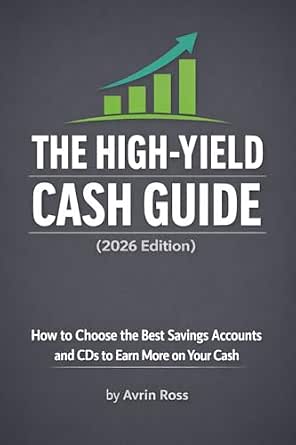
The High-Yield Cash Guide (2026 Edition): How to Choose the Best Savings Accounts and CDs to Earn More on Your Cash
This book emphasizes current strategies and the latest high-yield savings and CD options for 2026, making it ideal for those who want the newest account options. Compared with the other titles, which often focus on broader concepts or past performance, this guide provides actionable, up-to-date recommendations tailored to the current market. Its main drawback is its focus solely on financial products, which may not appeal to investors seeking more diversified wealth-building strategies.
Pros:- Provides strategies aligned with the latest market conditions
- Helps maximize earnings through current account options
- Clear, easy-to-understand guidance for selecting products
Cons:- Limited to financial product recommendations, ignoring broader investments
- May not suit those looking for long-term wealth strategies beyond savings
Best for: Savvy savers and investors who want current, specific account recommendations for 2026
Not ideal for: Readers seeking broader financial education or long-term wealth plans beyond savings products
- Year Covered:2026
- Focus:Product selection and interest maximization
Our verdict“Perfect for those wanting the most recent, actionable advice on high-yield savings and CDs for 2026.”
What Your Bank Doesn’t Tell You: How to Use High-Yield Savings Accounts, Roth IRAs, 401(k)s, HSAs, and Other Smart Accounts to Build Long-Term Wealth
This comprehensive guide explores how to leverage various financial accounts, including high-yield savings, to build wealth over time. Compared with My Three Favorite High-Yield Savings Accounts, which focuses narrowly on account selection, this book offers a holistic view, integrating multiple account types into a strategy. While its depth and scope make it valuable, the complexity might overwhelm beginners. It’s best suited for those ready to develop a broader, multi-account wealth strategy, rather than just focusing on savings accounts.
Pros:- Provides a broad, integrated approach to wealth building
- Focuses on long-term strategies across various accounts
- Includes practical tips for smarter money management
Cons:- Content can be complex for beginners to fully grasp
- No specific price or customer ratings available
Best for: Individuals aiming for long-term wealth through strategic account management
Not ideal for: Novice savers or investors who prefer simple, straightforward advice
Our verdict“Ideal for those who want a comprehensive long-term wealth plan incorporating multiple account types.”
Building Wealth Fast with High-Yield Savings: Financial Security – Wealth Accumulation
This book stands out for offering targeted strategies to accelerate wealth growth primarily through high-yield savings accounts. Unlike the detailed product features seen in other guides like High-Yield Cash: The 5% Interest Strategy, it emphasizes techniques for rapid accumulation, making it ideal for those aiming to grow their savings quickly. However, it lacks specific product reviews or technical details, which can leave readers seeking concrete options at a disadvantage. This makes it better suited for readers who want a conceptual framework rather than technical guidance.
Pros:- Offers clear strategies for rapid wealth building
- Focuses on high-yield savings options for maximizing returns
- Provides a conceptual approach to financial security
Cons:- Lacks detailed content or reviews of specific accounts
- No technical analysis or product features included
Best for: Individuals seeking a structured plan to boost their savings rapidly through high-yield accounts
Not ideal for: Beginners who need detailed product comparisons or specific account recommendations
- Focus Area:Wealth accumulation strategies
- Content Type:Conceptual, strategy-focused
Our verdict“This book makes the most sense for experienced savers looking for strategic insights rather than specific product advice.”
Dividend Growth Investing: Get a Steady 8% Per Year Even in a Zero Interest Rate World – Featuring The 13 Best High Yield Stocks, REITs, MLPs and CEFs For Retirement Income
This book is ideal for investors seeking consistent income through dividend growth investing, highlighting high-yield stocks, REITs, MLPs, and CEFs. Compared with the straightforward approach of high-yield savings accounts, this guide emphasizes riskier, income-generating assets capable of delivering around 8% annual returns—making it suitable for those comfortable with market exposure. While it provides curated investment options, it does not include detailed technical analysis or product reviews, which could be a drawback for cautious investors.
Pros:- Offers strategies for steady dividend income
- Includes a curated list of high-yield investment options
- Focused on retirement income goals
Cons:- Focuses on riskier assets compared to savings accounts
- Lacks detailed analysis of individual stocks or funds
Best for: Retirees or income-focused investors willing to accept higher risk for higher yields
Not ideal for: Conservative savers or beginners who prefer low-risk, FDIC-insured options
- Yield Target:8% annual return
- Investment Focus:High-yield stocks, REITs, MLPs, CEFs
Our verdict“This pick makes the most sense for investors comfortable with market risk seeking higher income than traditional savings accounts.”
Dividend Growth Investing vs. High-Yield Savings Accounts: How to Get a 4% Yield
This book offers a clear comparison between dividend growth investing and high-yield savings accounts, making it ideal for income-focused investors weighing their options. Unlike the more comprehensive but complex books like High-Yield Savings vs. CD Ladders vs. Series I Bonds, this work keeps the focus on achieving a 4% yield, which aligns well with typical high-yield savings rates. However, it lacks detailed technical analysis or customer reviews, which might limit its usefulness for some readers.
Pros:- Provides a clear comparison of investment options
- Focuses on achievable 4% yield strategies
- Good for income-focused investors seeking simplicity
Cons:- Lacks detailed technical analysis
- No customer reviews or real-world performance data
Best for: Investors seeking straightforward comparisons to choose between dividend stocks and savings accounts
Not ideal for: Investors looking for in-depth technical analysis or detailed product reviews
- Target Yield:4%
- Comparison Focus:Dividend growth vs. high-yield savings
Our verdict“This book makes the most sense for income investors who want a quick comparison without complex details.”
High-Yield Savings vs. CD Ladders vs. Series I Bonds: How to Save Your Way to Success (Financial Freedom Series Book 93)
This book provides a comprehensive comparison of high-yield savings, CD ladders, and Series I Bonds, making it a strong choice for those seeking to optimize their savings portfolio. Compared with simpler guides, it offers detailed insights into each option’s advantages and drawbacks, though it may be complex for beginners. For entrepreneurs or more experienced investors, this resource offers practical, actionable strategies to balance liquidity, safety, and growth.
Pros:- Provides detailed comparison of savings options
- Offers practical, actionable strategies
- Useful for balancing risk, liquidity, and returns
Cons:- Content may be complex for beginners
- No specific product features or tangible items
Best for: Savvy savers and entrepreneurs wanting a detailed, strategic approach to multiple savings options
Not ideal for: Beginners or those seeking quick, simple savings solutions
- Savings Options Compared:High-yield savings, CDs, Series I Bonds
- Content Complexity:Moderate to advanced
Our verdict“This book makes the most sense for readers ready to explore a diversified, strategic approach to savings and investments.”
High-Yield Savings vs. Certificates of Deposit vs. Treasury Bills vs. Money Market Funds: The Power of Choice (Diverse Entrepreneurs Book 161)
This book explores the differences among various savings and investment vehicles, making it ideal for entrepreneurs or investors who want a broad understanding of each option. Unlike the straightforward high-yield savings accounts discussed in other guides, it emphasizes the educational value of comparing CDs, treasury bills, and money market funds. While highly informative, the lack of specific product features or practical application may limit its appeal for those seeking immediate, actionable choices.
Pros:- Provides a comprehensive comparison of multiple investment vehicles
- Educational and informative for strategic planning
- Useful for entrepreneurs managing business and personal finances
Cons:- No specific product features or tangible items
- Limited practical application for immediate savings decisions
Best for: Entrepreneurs or investors seeking a broad educational overview of savings options for strategic financial planning
Not ideal for: Beginners or those looking for specific account recommendations for immediate use
- Comparison Scope:High-yield savings, CDs, T-Bills, Money Market Funds
- Intended Audience:Entrepreneurs and strategic investors
Our verdict“This book is best suited for entrepreneurs who want a broad understanding before making specific savings choices.”

How We Picked
I evaluated high-yield savings accounts based on several key factors that matter most to savers: interest rate competitiveness, fee structure, account accessibility, deposit requirements, and customer experience. Accounts with consistently high APYs and low or no fees ranked higher, especially if they offered easy online management and no minimum balance requirements. We also considered promotional offers that can temporarily boost yields, but prioritized stable, long-term earning potential. This approach ensures the rankings reflect real value and usability for everyday savers, rather than short-term gimmicks or hidden costs.Factors to Consider When Choosing High-yield Savings Accounts
Choosing the right high-yield savings account involves more than just chasing the highest APY. It’s essential to consider factors that influence your actual earnings and ease of use over time. Understanding these considerations helps avoid common pitfalls like hidden fees or restrictive withdrawal policies that can erode your gains. Below are key factors to keep in mind when selecting an account that aligns with your financial goals.Interest Rate Stability and Promotions
While high APYs are attractive, it’s vital to verify whether the rate is promotional or permanent. Many banks offer enticing introductory rates that drop after a few months. Look for accounts with stable, competitive rates that reflect current market conditions. This ensures your savings grow consistently without surprises, especially if you plan to keep your money in the account for the long term.
Fees and Minimum Balances
Even small fees can significantly diminish your earnings over time. Many top accounts advertise no monthly fees, but others might charge for excessive withdrawals or paper statements. Additionally, minimum balance requirements can restrict access to the highest rates if you can’t meet the threshold. Opt for accounts with no or low fees and flexible balance requirements to maximize your savings growth.
Accessibility and Funds Management
Ease of access is crucial if you plan to use your savings for emergencies or upcoming expenses. Consider whether the account offers convenient online transfers, mobile banking, and ATM access if needed. Some high-yield accounts restrict withdrawals or require notice for transfers, which can be inconvenient. Balance your desire for high rates with the flexibility you’ll need in day-to-day money management.
FDIC Insurance and Security
Ensuring your deposits are protected up to $250,000 is essential. Most reputable banks offering high-yield accounts are FDIC insured, but it’s worth confirming this before opening an account. This safety net can prevent losses if the bank encounters financial difficulties, giving you peace of mind as your savings grow.
Customer Service and Digital Experience
Good customer service and a user-friendly digital platform can make managing your savings less stressful. Look for banks with positive reviews on customer support, easy-to-navigate websites, and robust mobile apps. Even the highest-yield account won’t serve you well if navigating the bank’s digital tools is frustrating or if support is unresponsive during issues.
Frequently Asked Questions
Can I open multiple high-yield savings accounts to increase my earnings?
Yes, opening multiple accounts can sometimes help you maximize different promotional rates or manage funds for different goals. However, keep in mind that FDIC insurance limits coverage to $250,000 per depositor per bank. Managing multiple accounts may also add complexity to your finances, so weigh the benefits against the potential hassle. For most savers, a single high-yield account with a stable rate often provides the best balance of simplicity and returns.
Are high-yield savings accounts safe during economic downturns?
High-yield savings accounts from FDIC-insured banks are considered very safe, as your deposits are protected up to the applicable limit. Unlike investments in stocks or bonds, these accounts do not lose value due to market fluctuations. During economic downturns, the main concern would be a bank failure, which FDIC insurance covers, but the accounts themselves remain a secure holding for cash savings.
How often do interest rates on high-yield savings accounts change?
Interest rates on these accounts can fluctuate based on broader economic conditions, central bank policies, and competitive pressures among banks. Many banks adjust their rates monthly or quarterly, so it’s wise to monitor your account periodically. Some banks also offer fixed-rate accounts for a set term, providing stability if you prefer predictable earnings.
Is it worth paying for premium customer service or features?
Premium features may include dedicated support or enhanced digital tools, but for most savers, these add-ons do not significantly impact earnings. If you value quick, personalized support or advanced digital management, choosing a bank that offers good service at no extra cost can be worthwhile. Prioritize high rates and low fees first; premium features are a bonus rather than a necessity.
Should I consider other savings options besides high-yield savings accounts?
Depending on your goals, exploring alternatives like certificates of deposit (CDs), Series I bonds, or money market funds might suit your needs better. For example, CDs offer fixed rates for a set period, often higher than regular savings accounts, but lack liquidity. Bonds can provide higher yields but involve different risks and tax considerations. Matching your savings timeline and risk tolerance with the right vehicle is key.
Conclusion
For most savers seeking a straightforward, reliable way to earn more on their cash, the Ally Online Savings Account offers a strong combination of high rates, no fees, and ease of use — making it ideal for everyday savings. If you’re looking for the best balance of rate and customer service, Marcus by Goldman Sachs is a solid choice. Beginners or those prioritizing safety and simplicity should consider accounts with no minimum deposits and straightforward digital platforms. For savers with larger balances seeking the highest possible yields, exploring promotional rates or tiered accounts can boost earnings, but always weigh the stability of the rate and account flexibility.
Fall Picks
fall essentials
As an affiliate, we earn on qualifying purchases.