
📊 Full opportunity report: Brazil: Pay the Family, Mind the Child on ThorstenMeyerAI.com — validation score, market gap, and execution plan.

Get smart everyday buys delivered free — and shop member deals
- Fast, free delivery on millions of items
- Access to Prime Big Deal Days deals on October 6–7
- Prime Video, Amazon Music and more included
TL;DR
Brazil’s Bolsa Família, a major social policy since 2003, provides cash to poor families on condition of children’s school attendance and health visits. It has contributed to reducing inequality but faces limitations due to persistent inequality and conditionality challenges.
Brazil’s government has maintained and adapted the Bolsa Família program, a pioneering conditional cash transfer scheme, as part of its efforts to reduce poverty and inequality. The program, which reaches approximately 46 million people, links cash payments to families’ commitments to keep children in school and ensure health visits, reinforcing its role in social policy and human capital development.
Established in 2003 under President Lula, Bolsa Família consolidates earlier social assistance schemes into a targeted program that provides monthly cash transfers to poor families conditioned on children’s school attendance and health checkups. It is delivered primarily through the Cadastro Único registry and increasingly via Pix, Brazil’s instant payment system, which now reaches 93% of adults.
Research indicates that Bolsa Família has contributed to a decline in inequality and extreme poverty, with estimates suggesting it accounts for a significant share of Brazil’s poverty reduction over the past two decades. The program’s core mechanism—conditionality—aims to break the cycle of intergenerational poverty by incentivizing investments in children’s education and health.
Despite its successes, the program faces limitations. Brazil remains highly unequal, and Bolsa Família’s modest, targeted approach has not fundamentally transformed the country’s social and economic structure. Critics highlight that conditionality can sometimes exclude or burden the poorest families unable to meet all requirements, risking their exclusion from benefits.
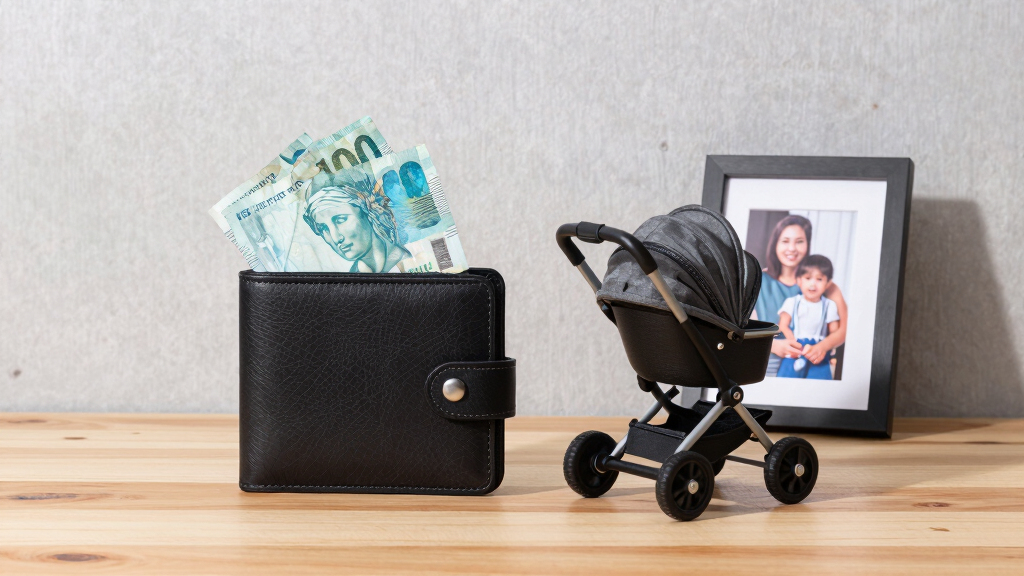
Pay the Family, Mind the Child
The conditional-cash-transfer pioneer: cash in exchange for human-capital investment. Relieve poverty now, break the cycle for the next generation — the model Brazil gave the world.
- a monthly cash transfer
- targeted via the CadÚnico registry
- delivered via Pix (instant, free)
- children enrolled & attending school
- vaccinations kept current
- regular health checkups
Independent commentary, produced with AI assistance under human editorial oversight. The views are the author’s own and may change. This is analysis, not policy, economic, investment, or legal advice. Descriptions of Bolsa Família and its conditionalities, the Cadastro Único, the BPC benefit, and Pix reflect publicly reported information as of mid-2026 and may change; figures are indicative and several are official or institutional estimates. This phase maps differing approaches and endorses none; characterizations of contested arrangements present competing views, not a verdict. Country, program, and company names are referenced for analysis and imply no affiliation.
Implications of Bolsa Família on Poverty and Inequality
Bolsa Família exemplifies how targeted, conditional cash transfers can provide immediate relief and promote long-term human capital development. Its success has influenced social policies in over 40 countries, demonstrating that well-designed social programs can operate within democratic contexts to address poverty. However, persistent inequality and conditionality challenges underscore the limits of such approaches, raising questions about how to deepen social mobility and inclusivity in Brazil.
Brazil Bolsa Família cash transfer guide
As an affiliate, we earn on qualifying purchases.
As an affiliate, we earn on qualifying purchases.
Brazil’s Bolsa Família was launched in 2003, consolidating earlier social assistance initiatives into a comprehensive, targeted program aimed at reducing poverty and inequality. It became the largest conditional cash transfer program globally, serving roughly a quarter of the population. The program’s design—linking cash payments to children’s school attendance and health visits—was influenced by Latin American pioneers and refined over time. Brazil’s social policy model emphasizes targeted intervention, supported by innovative institutional infrastructure like the Cadastro Único registry and the Pix payment system.
While effective in reducing immediate hardship, the program has not eliminated structural inequality, which remains high. Its design reflects a broader strategy of combining modest cash transfers with conditionalities to promote human capital, inspired by models from Latin America and India’s scalable payment infrastructure.
“Bolsa Família has played a crucial role in reducing poverty and inequality, but it alone cannot overhaul Brazil’s deeply entrenched social disparities.”
— Brazilian Social Policy Expert
As an affiliate, we earn on qualifying purchases.
Challenges and Limitations of Conditional Cash Transfers
It remains unclear how sustainable and scalable Bolsa Família will be amid ongoing economic and political shifts. Questions persist about whether the program can deepen social mobility without widening inequality, especially given the potential for conditionality to exclude the most vulnerable families who struggle to meet all requirements. The long-term impact on intergenerational poverty and social structure is still being studied, and future reforms are uncertain.
As an affiliate, we earn on qualifying purchases.
Brazil is likely to continue refining Bolsa Família, possibly expanding its inclusivity and addressing conditionality challenges. Policy discussions may focus on integrating more comprehensive support measures, strengthening social safety nets, and exploring ways to reduce inequality beyond targeted transfers. Monitoring and evaluating the program’s long-term impact will be crucial as Brazil seeks sustainable solutions to persistent social disparities.
family budgeting and financial planning books
As an affiliate, we earn on qualifying purchases.
As an affiliate, we earn on qualifying purchases.
Key Questions
How effective has Bolsa Família been in reducing poverty?
Research indicates that Bolsa Família has significantly contributed to reducing poverty and inequality in Brazil over the past two decades, helping millions lift themselves out of extreme poverty.
What are the main criticisms of Bolsa Família?
Critics argue that the program’s conditionality can exclude the most vulnerable families unable to meet all requirements, and that it has not fundamentally changed Brazil’s high levels of inequality.
Could Bolsa Família be expanded or improved?
Yes, policymakers are exploring ways to make the program more inclusive, address conditionality burdens, and integrate broader social support measures to enhance long-term social mobility.
How does Brazil’s program compare to other countries?
Brazil’s Bolsa Família is one of the most studied and influential conditional cash transfer programs globally, serving as a model for over 40 countries, with its design emphasizing targeted payments linked to family commitments.
Source: ThorstenMeyerAI.com
Fall Picks
fall essentials
As an affiliate, we earn on qualifying purchases.