TL;DR

Get smart everyday buys delivered free with Prime
- Fast, free delivery on millions of items
- Prime Video, Amazon Music and more included
- Member-only deals all year
A webcam-based blink-rate tracker is being developed to help remote workers combat digital eye fatigue. It aims to encourage regular breaks by monitoring blinking patterns on-device. Pilot testing will determine its effectiveness in improving eye comfort.
A new webcam-based application that estimates blink rate is in development to help remote workers reduce digital eye fatigue. The tool aims to provide objective signals for break adherence, addressing a common problem among those spending long hours at screens.
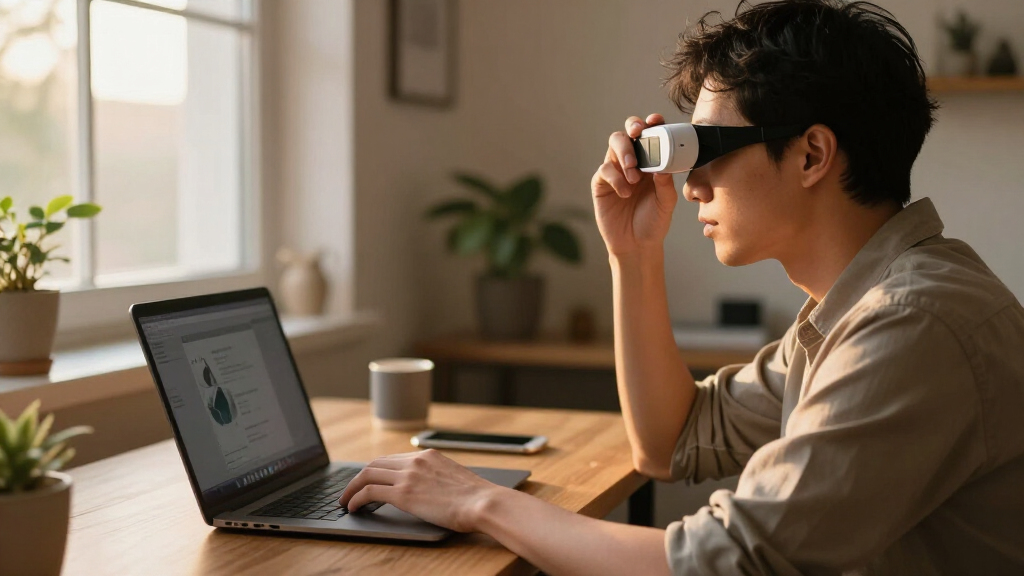
The proposed application uses on-device computer vision via webcams to monitor blink rate and screen distance without transmitting video data externally, ensuring user privacy. It will send gentle nudges to encourage a 20-20-20 break (looking 20 feet away for 20 seconds) when blink rate drops below a certain threshold, logging daily eye comfort scores for users.
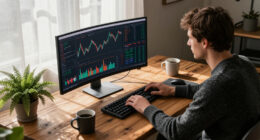
This development is targeted at remote knowledge workers who typically spend more than eight hours daily on laptops, a group increasingly affected by digital eye strain. The app’s primary revenue model involves per-seat subscriptions sold to individuals and small remote teams. Validation will come from a two-week pilot with twenty remote workers, measuring improvements in self-reported eye comfort and break adherence.
Potential Impact on Digital Eye Health for Remote Workers
If successful, this tool could offer a simple, accessible solution to a widespread problem caused by prolonged screen time. It addresses the lack of objective feedback on blink rate and break compliance, which are often only noticed once symptoms become severe. By promoting regular eye breaks, it could reduce dry eyes, headaches, and fatigue, ultimately improving productivity and well-being among remote workers.
Products Worth Considering

FLEXISPOT 42-Inch Electric Standing Desk Converter

FLEXISPOT EN1 Electric Standing Desk, 48 x 24 in, Black

Apple Mac mini Desktop Computer with M5 Pro Chip (2026)
As an affiliate, we earn on qualifying purchases.
Increasing Screen Time and Eye Strain in Remote Work
The shift toward remote and hybrid work models has significantly increased daily screen exposure for knowledge workers. Reports indicate that many suffer from digital eye strain, characterized by dry, tired eyes and headaches. Currently, most workers rely on subjective cues to take breaks, which may be insufficient or delayed. The advent of on-device computer vision technology makes it feasible to objectively monitor blink rate and screen distance without privacy concerns, opening new avenues for eye health management.
“Using on-device computer vision to monitor blink rate can provide real-time feedback without compromising user privacy.”
— an anonymous researcher
Unclear Effectiveness and User Adoption Rates
It is not yet confirmed how effective the blink-rate nudging will be in improving eye comfort or whether users will consistently follow break recommendations. The pilot study results are pending, and long-term adherence remains uncertain.
Upcoming Pilot Study and Evaluation Timeline
The planned two-week pilot involving twenty remote workers will test the app’s ability to improve break adherence and self-reported eye comfort. Results from this pilot will inform further development, potential scaling, and broader market launch. Additional research may be needed to refine the alert thresholds and user interface for maximum effectiveness.
Key Questions
How does the blink-rate tracker work without sending video data outside?
The app uses on-device computer vision algorithms to analyze webcam footage locally, ensuring user privacy by not transmitting video externally.
Will this app be available for all types of webcams?
The app is designed to work with standard webcams that support basic video capture, but compatibility will depend on specific hardware and software requirements.
Can this technology replace traditional eye care methods?
It is intended as a supplementary tool to promote better eye habits but should not replace professional eye care for serious conditions.
When will the app be available to the public?
The timeline depends on pilot results and further development, but a broader release could occur within the next year if testing proves successful.
Is this solution suitable for all remote workers?
It is primarily targeted at those with high daily screen time, and individual suitability will depend on hardware compatibility and user preferences.
Source: IdeaNavigator AI